



Blog Posts

The Power of Lighting: How to Transform Your Space
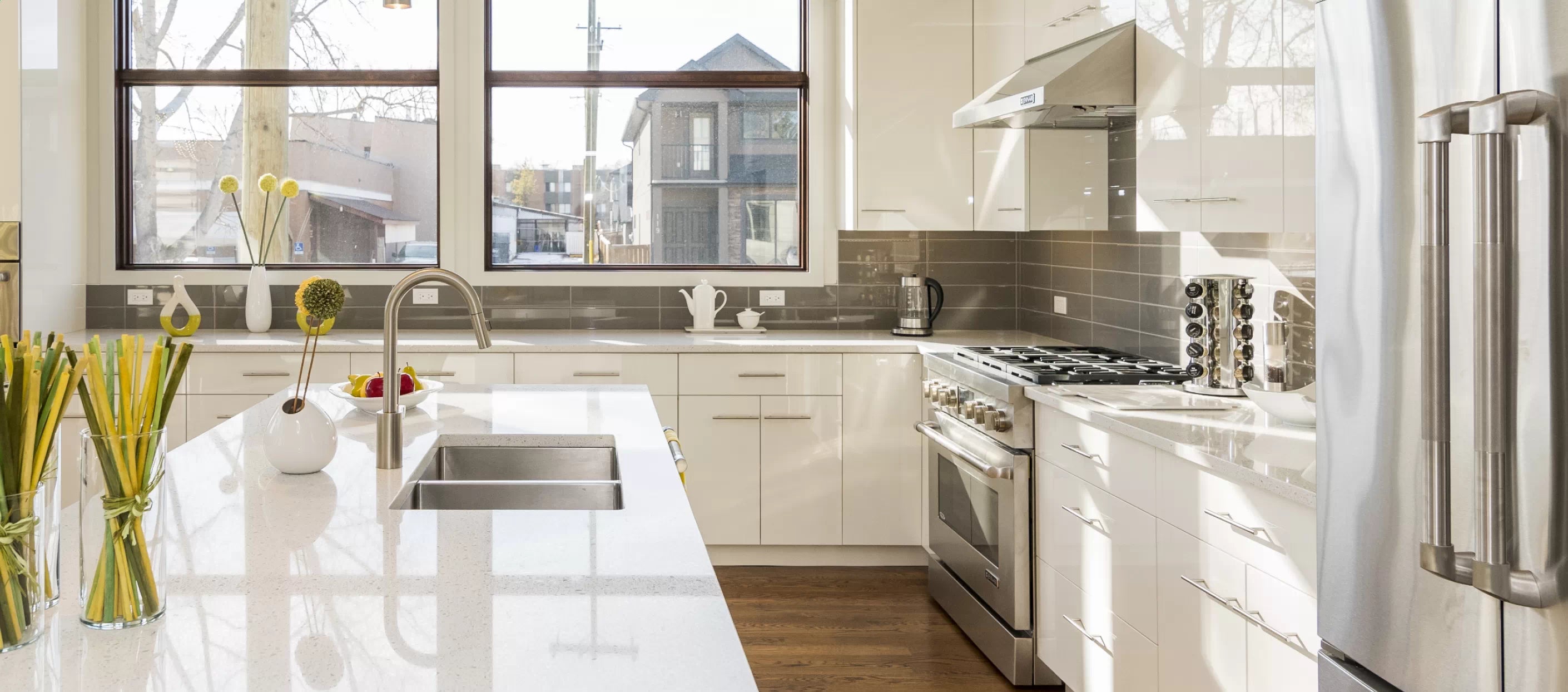
The Power of Lighting: How to Transform Your Space Lighting is one of the most powerful tools in interior design. It shapes mood, defines atmosphere, enhances colour, and reveals the true personality of a home. A beautifully designed room can fall flat under poor lighting — while even the simplest interior can feel luxurious and elevated under the right illumination. In modern Australian homes, where open-plan living, natural light, and seamless indoor–outdoor transitions reign supreme, lighting is not just functional. It is architectural, emotional, and essential. This article explores the art and science of lighting — and how thoughtful illumination can completely transform your space. Why Lighting Matters More Than You Think Lighting influences: How we feel How we move How we perceive colour and texture How we interact with our environment It shapes rooms in ways that furniture alone cannot. A well-lit home feels warm, balanced, and inviting.A poorly lit home feels flat, harsh, or disconnected. Lighting is not an accessory — it is a foundational design layer. The 3 Levels of Lighting Every Home Needs Great lighting happens when ambient, task, and accent lighting come together in harmony. 1. Ambient Lighting (General Light) This is the main source of illumination — the base layer. Includes: Downlights Ceiling fixtures Natural light Wall sconces Purpose: Create a comfortable level of brightness Provide overall visibility 2. Task Lighting Focused lighting for specific activities, such as: Pendant lights over islands Reading lamps Vanity lights Under-cabinet lights in kitchens Purpose: Precision and functionality Task lighting helps prevent shadows and glare, making everyday activities easier. 3. Accent Lighting This is the magic layer — what elevates a home from nice to breath-taking. Examples: Picture lights LED strip lighting Wall washers Cove lighting Floor lamps that cast ambient glow Purpose: Highlight architectural features Add depth and dimension Create atmosphere Accent lighting is essential in modern luxury design. How Light Affects Mood and Perception Lighting influences the emotional response to a room. Warm light (2700–3000K) Soft Relaxing Perfect for living rooms & bedrooms Cool light (4000–5000K) Energising Clear Ideal for kitchens, studies, and bathrooms Colour temperature determines whether your home feels cosy or clinical. Natural Light: The Most Powerful Ingredient Natural light is transformative. It: Enhances colour accuracy Improves wellbeing Expands perceived space Reduces the need for artificial lighting How to maximise it: Use sheer curtains Choose matte paint finishes Position mirrors opposite windows Keep window frames light Avoid heavy, dark furniture in small spaces Layering Light: The Key to Luxury Interiors Luxury interiors rely on layered lighting — not one single source. For a living room: Warm downlights Table lamps beside sofas A floor lamp LED backlighting behind shelves Candlelight for ambience For a kitchen: Bright downlights for functionality Pendant lights for design Under-cabinet LEDs for task Toe-kick strip lighting for soft glow For a bedroom: Soft bedside lamps Hidden LED strips under bed frames Warm overhead lighting Accent lighting for art Layering creates depth and a gentle rhythm of light. Lighting Mistakes to Avoid Relying only on downlights Using harsh, cool lighting in living areas Ignoring dimmable lighting Choosing the wrong scale of pendant lights Poor placement resulting in shadows Lighting is a science — every choice influences the aesthetic outcome. Final Thoughts Great lighting does not shout for attention — it quietly transforms. It shapes atmosphere, influences emotion, and elevates even the simplest interior. From soft ambient glow to sculptural table lamps, lighting is the silent designer that determines the soul of your home.

Modern Coastal Style: How to Achieve a Light, Relaxed Home Feel
Modern Coastal Style: How to Achieve a Light, Relaxed Home Feel There is a particular kind of calm that only the coast can offer — the rhythmic whisper of waves, the glow of soft morning light, the quiet pull of a horizon where sky meets sea. The Modern Coastal style captures this serenity and brings it into the heart of the home. It celebrates natural textures, soothing palettes, and effortless comfort — a design language shaped by sunlight, simplicity, and breathability. Across Australia, where coastal living is not merely a visual inspiration but a lifestyle, Modern Coastal interiors have become a defining aesthetic. It is fresh, relaxed, and timeless — without the clichés of nautical décor or overly themed styling. Instead, it is refined, organic, and deeply connected to the Australian way of living. In this guide, we explore the essence of Modern Coastal style, its defining features, and how to bring its calm, curated beauty into any home. The Philosophy Behind Modern Coastal Design Unlike traditional coastal style — which can lean into blue-and-white stripes, driftwood accents, or seaside motifs — Modern Coastal embraces sophistication. The focus is on: Understated elegance Soft neutrals and natural textures Open, airy layouts Refined minimalism with warmth It is the art of creating a home that feels serene yet elevated, simple yet luxurious. The ethos is “less clutter, more calm” — but never cold or overly minimal. The Coastal Colour Palette: Soft, Breezy, Timeless Colour is the soul of Modern Coastal interiors. Inspired by sand, shells, sun, clouds, and wind, the palette is soothing and natural. Think: Soft whites — warm, not stark Powdery blues & gentle teals Beige, oatmeal, taupe, dove grey Natural oak and light timber tones Muted sea greens or misty greys The palette’s purpose is twofold: Invite natural light into the space. Create a canvas for organic materials and textures. In Australian homes, where light is abundant, this palette flourishes effortlessly. Natural Materials: The Heart of Coastal Warmth Coastal style is defined not by colours alone but by the feel of the materials you bring into your space. To create a truly modern coastal interior, prioritise: Timber Choose light oak, ash, beech, or whitewashed finishes.These woods echo beachside serenity and add instant warmth. Linen Linen is the coastal hero fabric. It offers texture without heaviness and pairs beautifully with the airy palette. Rattan and cane These natural fibres add depth and a touch of artisanal craftsmanship. Stone Neutral-toned stones — like Carrara, honed limestone, or sandy quartz — add a tactile luxury. Jute Perfect for rugs, baskets, or accent textures. These elements connect indoor spaces with nature, grounding the home in organic elegance. Light: The Most Important Coastal Design Ingredient Natural light is everything in Modern Coastal design. To maximise it: Use sheer curtains instead of block-outs in living areas. Opt for open shelving, glass cabinetry, or arched mirrors in darker spaces. Choose matte surfaces that diffuse light softly. Incorporate reflective materials like brushed nickel or glass. Lighting should feel soft, warm, and natural — never harsh. Furniture for Modern Coastal Living Furniture shapes the experience of the room and determines whether your coastal design feels luxe or dated. To achieve a refined modern coastal look: Choose pieces that feel spacious Think: Deep, cushioned sofas Generous armchairs Wide coffee tables Slim-profile media units Go for curves Soft curves mimic forms found in nature — waves, shells, clouds — evoking calm and fluidity. Avoid overstuffed pieces Bulky furniture weighs down the lightness of the design. Select natural and durable upholstery Such as: Linen Performance fabrics in soft neutrals Bouclé (sparingly for texture) Balance softness with structure A rounded linen sofa paired with a timber console and a jute rug creates the perfect modern coastal harmony. Décor & Styling: How to Keep It Modern, Not Theme-Like Modern Coastal décor is subtle, curated, and elegant. Instead of literal nautical references, choose elements that evoke the coast without stating it. Best décor elements: Ceramic vases in matte finishes Oversized greenery (olive, palm, or eucalyptus stems) Art featuring abstract ocean tones or landscapes Woven baskets Soft, layered throws and cushions Books in neutral or muted colourways Sculptural pieces in stone or timber Avoid: Seashell frames Blue-and-white sailor stripes Anchor motifs Overly rustic driftwood décor The modern coastal look is sophisticated — not beach-shack themed. Flooring & Layout: Creating the Coastal Flow Flooring should anchor the palette softly: Light oak timber floors Wide planks for a modern look Soft beige or grey tiles in bathrooms Neutral wool or jute rugs Layout should prioritise flow, spaciousness, and breathability. Avoid blocking pathways with bulky pieces. Keep furniture spaced generously. How to Avoid Common Mistakes Too much blue Use blue sparingly — as an accent, not a dominant colour. Too many rustic textures Modern coastal is refined. Balance rough textures with smooth finishes. Overloading décor Coastal spaces need breathing room. Curate, don’t clutter. Final Thoughts Modern Coastal design is more than a look — it’s a feeling. An atmosphere of calm, lightness, and understated luxury. It’s the warmth of sunlight on timber, the softness of linen, and the quiet sophistication of natural elegance. Most importantly, it’s highly adaptable — from full beach houses to urban apartments that simply crave serenity. A home styled in Modern Coastal design becomes not just a place to live, but a sanctuary — soft, inviting, beautifully effortless.