



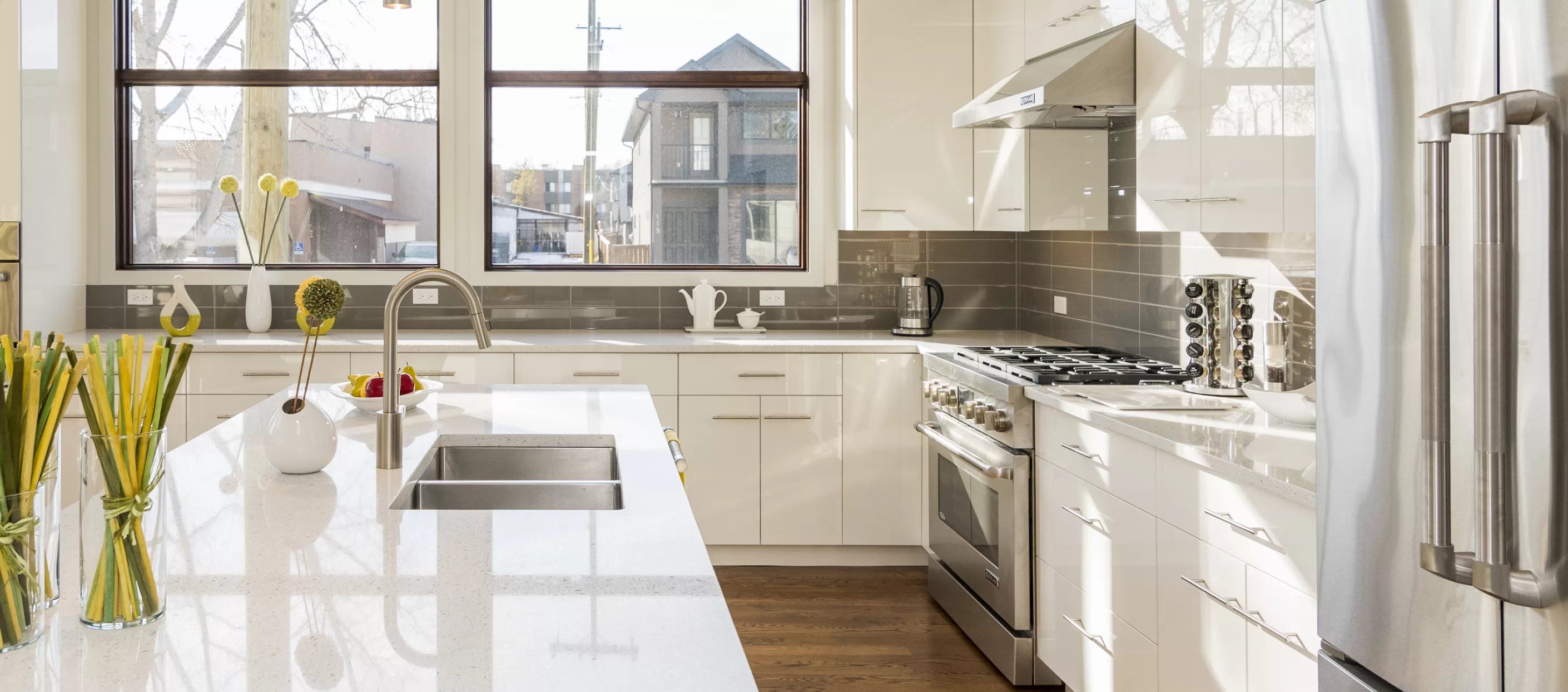
The Power of Lighting: How to Transform Your Space
Lighting is one of the most powerful tools in interior design. It shapes mood, defines atmosphere, enhances colour, and reveals the true personality of a home. A beautifully designed room can fall flat under poor lighting — while even the simplest interior can feel luxurious and elevated under the right illumination.
In modern Australian homes, where open-plan living, natural light, and seamless indoor–outdoor transitions reign supreme, lighting is not just functional. It is architectural, emotional, and essential.
This article explores the art and science of lighting — and how thoughtful illumination can completely transform your space.
Why Lighting Matters More Than You Think
Lighting influences:
- How we feel
- How we move
- How we perceive colour and texture
- How we interact with our environment
It shapes rooms in ways that furniture alone cannot.
A well-lit home feels warm, balanced, and inviting.
A poorly lit home feels flat, harsh, or disconnected.
Lighting is not an accessory — it is a foundational design layer.
The 3 Levels of Lighting Every Home Needs
Great lighting happens when ambient, task, and accent lighting come together in harmony.
1. Ambient Lighting (General Light)
This is the main source of illumination — the base layer.
Includes:
- Downlights
- Ceiling fixtures
- Natural light
- Wall sconces
Purpose:
- Create a comfortable level of brightness
- Provide overall visibility
2. Task Lighting
Focused lighting for specific activities, such as:
- Pendant lights over islands
- Reading lamps
- Vanity lights
- Under-cabinet lights in kitchens
Purpose:
- Precision and functionality
Task lighting helps prevent shadows and glare, making everyday activities easier.
3. Accent Lighting
This is the magic layer — what elevates a home from nice to breath-taking.
Examples:
- Picture lights
- LED strip lighting
- Wall washers
- Cove lighting
- Floor lamps that cast ambient glow
Purpose:
- Highlight architectural features
- Add depth and dimension
- Create atmosphere
- Accent lighting is essential in modern luxury design.
How Light Affects Mood and Perception
Lighting influences the emotional response to a room.
Warm light (2700–3000K)
- Soft
- Relaxing
- Perfect for living rooms & bedrooms
Cool light (4000–5000K)
- Energising
- Clear
- Ideal for kitchens, studies, and bathrooms
Colour temperature determines whether your home feels cosy or clinical.
Natural Light: The Most Powerful Ingredient
Natural light is transformative. It:
- Enhances colour accuracy
- Improves wellbeing
- Expands perceived space
- Reduces the need for artificial lighting
How to maximise it:
- Use sheer curtains
- Choose matte paint finishes
- Position mirrors opposite windows
- Keep window frames light
- Avoid heavy, dark furniture in small spaces
Layering Light: The Key to Luxury Interiors
Luxury interiors rely on layered lighting — not one single source.
For a living room:
- Warm downlights
- Table lamps beside sofas
- A floor lamp
- LED backlighting behind shelves
- Candlelight for ambience
For a kitchen:
- Bright downlights for functionality
- Pendant lights for design
- Under-cabinet LEDs for task
- Toe-kick strip lighting for soft glow
For a bedroom:
- Soft bedside lamps
- Hidden LED strips under bed frames
- Warm overhead lighting
- Accent lighting for art
Layering creates depth and a gentle rhythm of light.
Lighting Mistakes to Avoid
- Relying only on downlights
- Using harsh, cool lighting in living areas
- Ignoring dimmable lighting
- Choosing the wrong scale of pendant lights
- Poor placement resulting in shadows
Lighting is a science — every choice influences the aesthetic outcome.
Final Thoughts
Great lighting does not shout for attention — it quietly transforms. It shapes atmosphere, influences emotion, and elevates even the simplest interior. From soft ambient glow to sculptural table lamps, lighting is the silent designer that determines the soul of your home.

